Here is a scenario every Merch by Amazon seller has lived through: you are deep in a research session, flipping through hundreds of designs, when a great niche idea surfaces. You think "I will remember this" - and then twenty minutes later it is gone, buried under everything else you looked at. Or you write it on a sticky note that disappears. Or you open a separate Google Doc, lose your place in MerchIntel, and break your research flow entirely. Good ideas are fragile. If you do not capture them immediately, in the same environment where you found them, most of them will not survive the session.
MerchIntel Notes was built specifically to solve this problem. It is a built-in notepad that lives inside the MerchIntel interface, so you never have to leave your research workflow to capture an insight. No tab switching, no sticky notes, no separate apps. Just a quick note, right where you are working.
Why Note-Taking Matters During Research
A focused Merch Research session generates far more information than most people expect. In a single hour you might scan dozens of niches, spot three or four promising BSR patterns, identify competitor title formulas worth adapting, notice a seasonal trend starting to build, and come across keywords you want to investigate further. That is a lot of signal - and most of it evaporates if you do not write it down in the moment.
Research without documentation has a compounding problem: the more sessions you run without notes, the more you end up re-discovering the same insights over and over. You revisit niches you already evaluated. You forget which keywords you already tested. You lose track of which seasonal designs you were planning to upload before the next holiday window. You essentially start from scratch every time, which is exhausting and inefficient.
Sellers who build a consistent note-taking habit during research accumulate something genuinely valuable over time: a personal knowledge base tailored to their specific niche focus, pricing strategy, and upload history. That knowledge base compounds. Six months in, your notes become a strategic asset that new sellers simply do not have.
How MerchIntel Notes Works
The Notes feature is accessible directly within the MerchIntel interface - no setup required, no separate login, no external tool to configure. It functions as a persistent notepad that saves your entries and keeps them available across sessions.
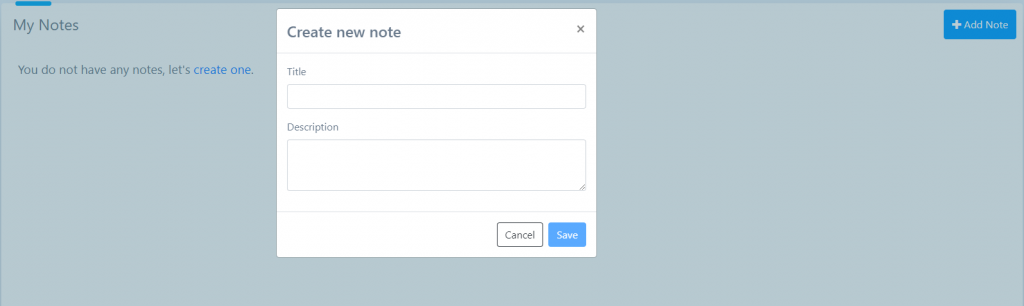
The interface is intentionally simple. Open it, type your note, save it. The simplicity is the point - the faster you can capture an idea, the more likely you are to actually do it. Complex note systems create friction; friction kills the habit. MerchIntel Notes removes the friction entirely by keeping everything in the same tab where your research is happening.
Your notes persist between sessions, so anything you write today will be waiting for you the next time you log in. Over weeks and months, this builds into a running record of your research observations, design ideas, and strategic decisions.
Practical Ways to Use Notes
The most effective MBA sellers use Notes for a wider range of purposes than you might initially expect. Here are the use cases that deliver the most value:
Recording keyword ideas. When you spot a keyword pattern that looks promising - maybe a phrase structure that top-selling shirts in a niche all share - write it down immediately. Include the niche context: "gardening + humor + gift angle - 'I'd rather be gardening' format - strong BSR cluster around 50K-150K." That specificity is what makes a note useful later.
Noting competitor patterns. If you notice that three or four top sellers in a niche all use a specific design style (minimalist text, vintage badge, illustrated character), that is a signal worth documenting. Note the pattern, the niche, and a few ASINs for reference. Next time you are briefing a designer or creating the design yourself, your notes give you a concrete starting point.
Tracking seasonal observations. Merch by Amazon has a strong seasonal rhythm. When you notice a niche starting to trend upward - say, teacher appreciation designs spiking in late April - note the timing. "Teacher niche: trending starts ~April 20, peaks first week of May. Plan designs by late March." Over one or two years of this kind of observation, you build a personal seasonal calendar that is far more granular and reliable than any generic "holidays to sell on" list.
Saving niche ideas for later. Not every niche you discover during a research session is the right one to pursue immediately. Some niches look interesting but need more investigation. Some are solid but not a priority this week. A quick note - "dog dad niche, mid-BSR competition, check keyword volume later" - keeps the idea alive without requiring you to act on it right now.
Capturing pricing insights. When you filter a niche and see that the top performers cluster around a specific price range, write it down. "Fishing humor niche US: top BSR shirts priced $21.99-$24.99. One outlier at $27.99 with strong reviews - premium positioning possible?" These pricing benchmarks save you from guessing when you go to list your own designs.
Logging ASIN references. When you find a design that genuinely impresses you - strong BSR, good trending, clean execution - save the ASIN in your notes with a brief comment. "B09XYZ1234 - excellent example of the 'dog mom' niche done right. Simple text, strong title structure, consistent BSR under 30K for 6+ months." This becomes a personal swipe file you can reference when developing your own designs.
Building Your Research Knowledge Base
Individual notes are useful. But the real power of consistent note-taking emerges over time, as your notes accumulate into a structured knowledge base that reflects your specific focus as a seller.
Think of it as building your own private market intelligence resource. After three to six months of regular note-taking, you will have documented: which niches you have already explored and what you found, which keywords have proven volume, which seasonal timing windows work for which categories, which price points perform in your target markets, and which design patterns consistently drive strong BSR.
For maximum effectiveness, combine Notes with MerchIntel Favorites. When you find a design worth monitoring, save it to Favorites so you can track its BSR and trending data over time. Then use Notes to record your observations about that design - what attracted you to it, what hypothesis you have about its performance, and what you plan to do with the insight. Together, Favorites and Notes give you both the data tracking and the qualitative context to make genuinely informed decisions.
This combination also pairs naturally with Merch Research sessions. A good workflow looks like this: run a Merch Research session with focused filters, note every meaningful observation in real time, bookmark standout designs to Favorites, then review your notes at the end of the session to identify the two or three most actionable insights you want to act on this week.
Pro Tips for Effective Note-Taking
Getting value from notes is partly about habit and partly about specificity. Vague notes are nearly useless. "Funny dog shirts - looks good" tells you nothing useful six weeks later. Specific notes are where the value lives.
Include context every time. A good note answers: what niche, what signal, what action. "Halloween cat niche - BSR cluster 20K-80K in September, lots of removed designs by mid-October (trademark risk?). Research trademark landscape before designing. Target upload by Sept 1."
Record dates and timeframes. Markets change. A note that says "fishing niche is hot" is meaningless without knowing when you wrote it. Add the date, especially for seasonal observations and trending signals.
Include specific ASINs and keywords. Numbers and identifiers make notes actionable. "ASIN B08ABC1234, rank 12,500, trending +340%, keyword: funny fishing shirt for men" is a note you can actually do something with.
Review your notes weekly. Set aside 10-15 minutes at the start of each week to scan your recent notes. This review session is where insights convert into action items - a design brief you write, a keyword you investigate, an upload you schedule. Without the review habit, notes become a write-only archive.
Use notes to plan your upload schedule. As your note library grows, you will have enough seasonal and trend data to plan your upload calendar weeks in advance. Notes from last October tell you exactly when to start preparing Halloween designs this year. That kind of planning advantage compounds over time.
Key Takeaways
- Great research insights disappear fast - capturing them in the moment is the only reliable strategy.
- MerchIntel Notes removes the friction of switching apps by keeping your notepad in the same interface where you research.
- Use Notes for keywords, competitor patterns, seasonal timing, niche ideas, pricing benchmarks, and ASIN references.
- Combine Notes with Favorites for a complete research workflow: Favorites tracks the data, Notes captures your observations and strategy.
- Specificity is everything - include niche context, dates, ASINs, and keywords in every note to make them actionable later.
- Review notes weekly to convert insights into real upload and design decisions.
Your research sessions are generating more valuable insights than you realize. The Notes feature makes sure none of them get lost. Start your 14-day free trial of MerchIntel and build the research knowledge base that sets consistent sellers apart from the ones who are always starting over.